I’ve spent years crafting stories that entertain while pointing readers toward deeper truths. My novels often feature characters grappling with real-world struggles, only to find ….
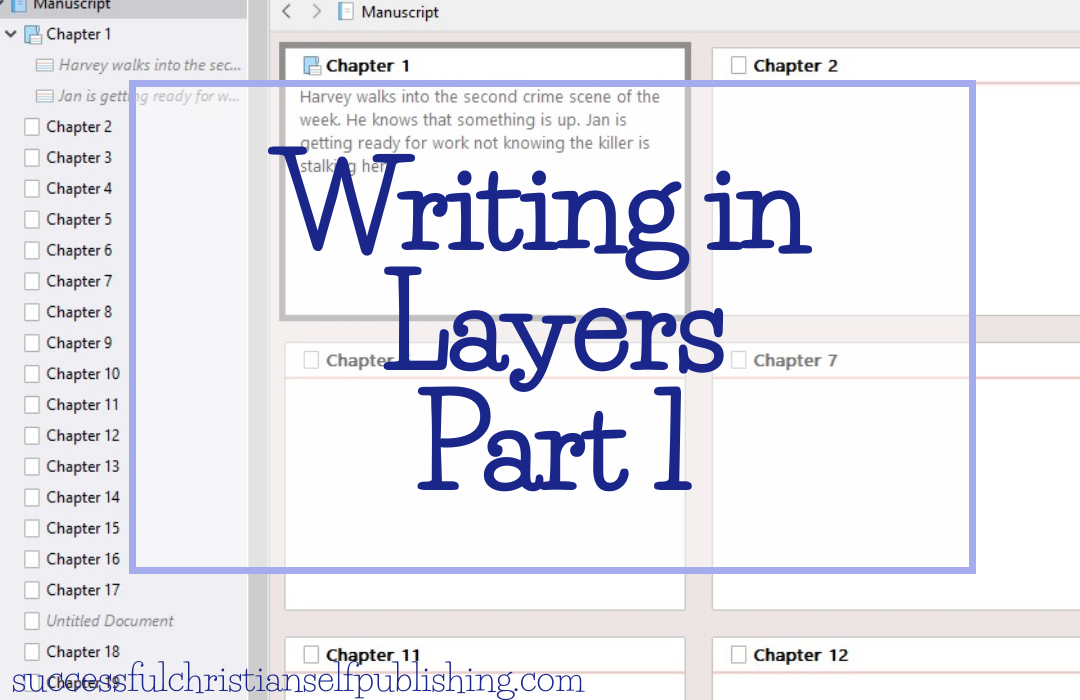
Characters, plot, dialogue, pacing and Writing in Layers.
I’ve spent years crafting stories that entertain while pointing readers toward deeper truths. My novels often feature characters grappling with real-world struggles, only to find ….

Pacing your narrative is an important part of writing. It has a huge effect on the mood of the story. A narrative that races along without any punctuation can be exhilarating, but it can also be exhausting. A narrative that moves at a snail’s pace can be calming, but it can also be boring. You need to find the right balance between the two.

As a writer delving into the realms of fantasy and science fiction, world-building is an essential skill to master. Crafting immersive worlds that captivate readers requires attention to detail, consistency, and creativity. Here are some techniques and exercises to help you develop your settings:

In storytelling, creating strong and multi-dimensional characters is essential to captivating readers and immersing them in the narrative. Developing compelling protagonists that resonate with the audience can make or break a story. Readers will remember characters before they remember plots. The characters are how the reader relates to the story. Creating complex, well-rounded characters will have your readers coming back for more.
Now that my entire book has been written in just action and dialogue, it’s time to go in and layer in thoughts. What is the character thinking and how is it going to drive the scene?
Now that my entire book has been written in just action and dialogue, it’s time to go in and layer in thoughts. What is the character thinking and how is it going to drive the scene?
Once I have my characters developed and my book plotted out all the way to the end, I go to the beginning again: Chapter 1, Scene 1. Now, I write action and dialogue.
I go into writing a book already knowing my characters, much like my artist friend has gone into painting this painting know what her subject is. So, I’ve already done my character research, I already know everything about them, and I already have my faith, romance, and, if necessary, suspense arcs of the project. See my post on Brainstorming Character Conflicts.
Once that is finished, it’s time do the plotting of the story. Basically, I think, “What happens in chapter 1?” Then I give a paragraph or two or three of the events that are going to unfold in chapter 1.
If the question had been, “Why do you tend to write characters in desperate circumstances?” I could have answered that question without the soul-searching. But this question was, “Why is it important to you to write characters in desperate circumstances.
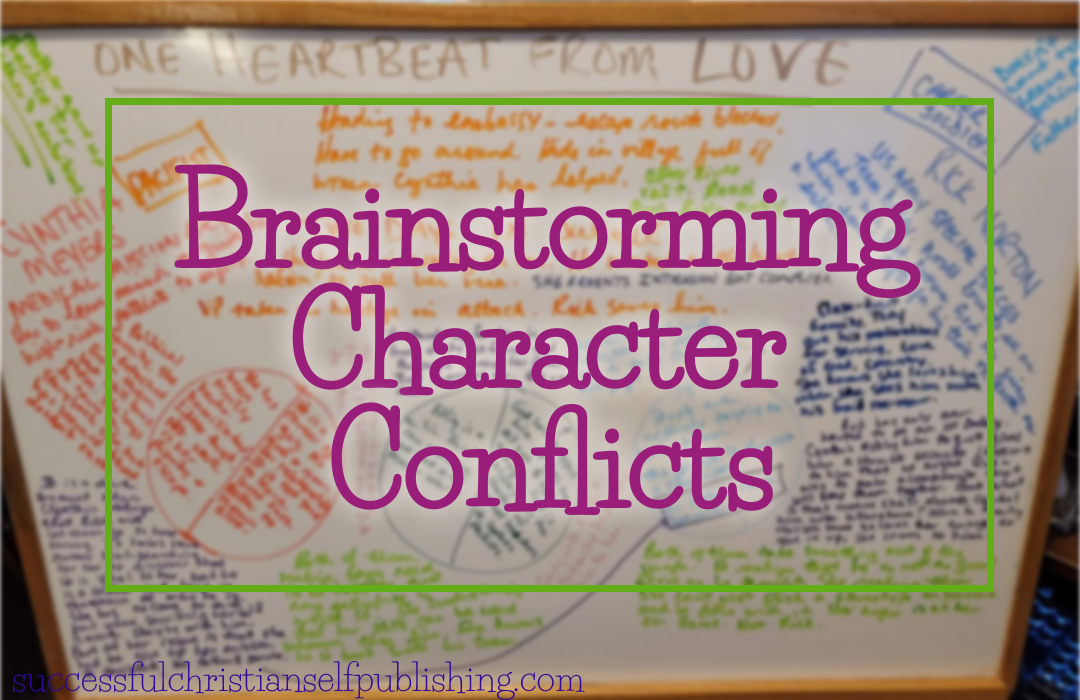
I write Christian romantic suspense, so inside that genre, I need to have a faith arc, a romantic arc, and a suspense arc. Each of those arcs require internal and external conflicts, motivations, and different characterizations.
When I’m setting up and getting ready to plot a book, the first thing (other than my characters) that I need to know are what those conflicts and motivations are, and how they’re going to be resolved/utilized.